

Prolonged Stress: How to Recognise It and When to Take Action
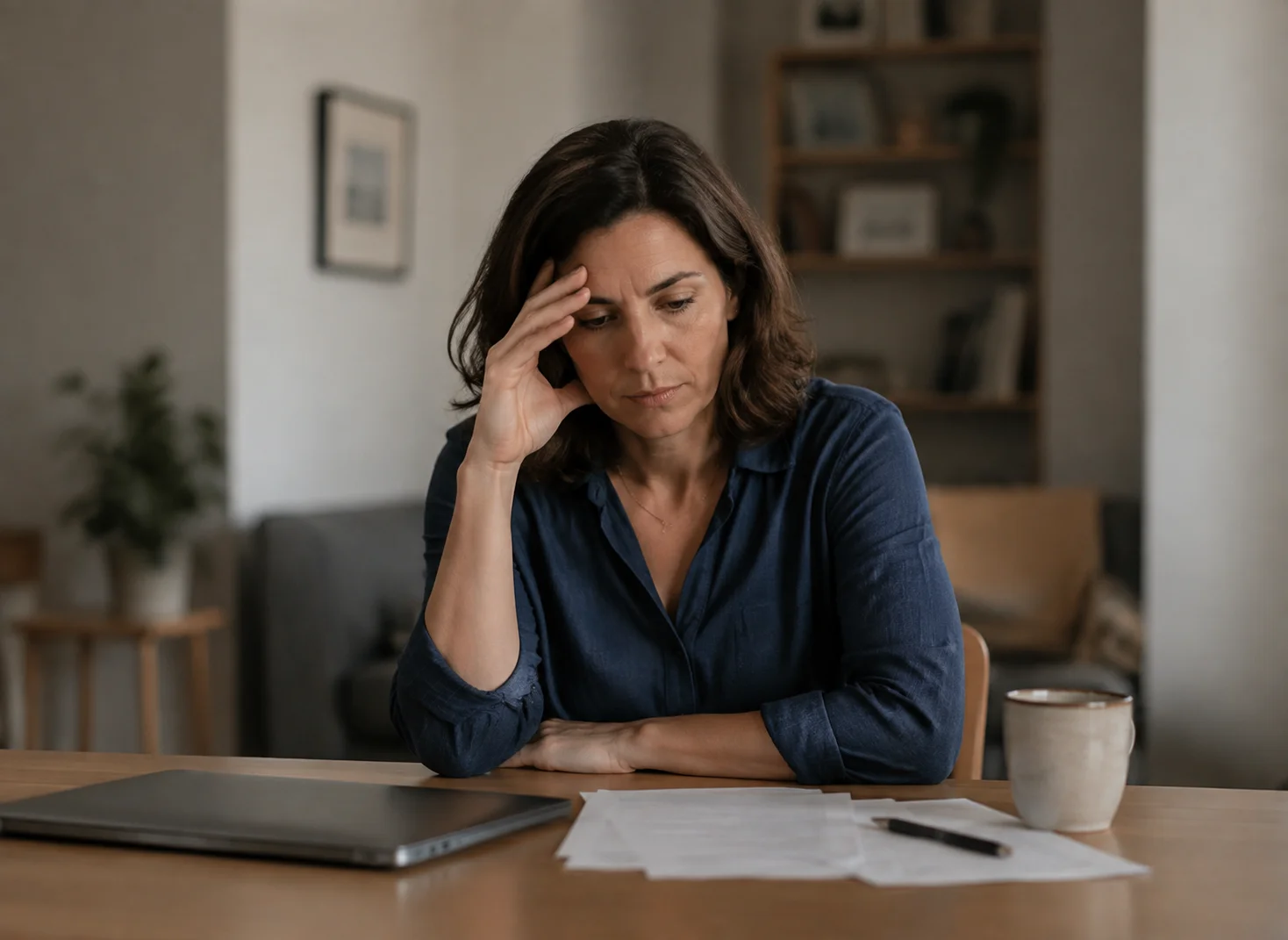
Prolonged stress can develop when a state of tension continues over time without giving the body sufficient opportunity to recover.
Stress is a natural response to the demands and challenges of everyday life. In some situations, it can temporarily increase alertness and help us deal with a particular commitment.
However, when pressure becomes constant and breaks are not sufficient, stress may begin to affect physical and mental well-being.
What is prolonged stress?
Prolonged stress, also known as chronic stress, does not necessarily result from a single event. It may develop from a combination of responsibilities, concerns and intense routines that continue for weeks or months.
The body remains in a frequent state of activation and may struggle to regain balance. Even situations that would normally be manageable can begin to feel more demanding.
Individual responses vary. The same circumstances can affect people differently depending on their personal resources, current stage of life and access to support.
Signs to recognise
Prolonged stress can cause physical, mental and behavioural changes. Common signs include:
- persistent tiredness
- muscle tension or headaches
- difficulty sleeping
- concentration problems
- irritability and mood changes
- feeling overwhelmed
- digestive problem and changes in appetite
- reduced motivation
- a tendency to withdraw from others
These signs may also have other causes. If they persist or become intense, it is important to avoid self-diagnosis and speak to a healthcare professional.
Why stress can become persistent
Stress tends to become prolonged when daily demands exceed the resources available for an extended period. This may happen in connection with:
- heavy workloads
- financial difficulties
- family or relationship problems
- caring responsibilities
- health concerns
- major changes or prolonged uncertainty
There is often no single cause. It is usually the accumulation of several factors, combined with limited opportunities for recovery, that maintains a state of tension.
When to take action
It may be time to take action when stress does not decrease after the situation that caused it has passed or when it begins to affect sleep, work, study and relationships.
A useful first step is to identify the main sources of pressure and distinguish between what can be changed and what is currently outside our control.
Organising commitments, reducing demands where possible, taking genuine breaks and setting sustainable priorities may help restore a greater sense of control.
Regular sleep, physical activity, a balanced diet and contact with trusted people may also support well-being. Alcohol, smoking and other substances should not be used as ways of coping with tension.
When to seek professional help
It is advisable to speak to a doctor or psychologist when discomfort persists, personal coping strategies are not sufficient or everyday activities become difficult.
New, intense or recurring physical symptoms also require medical assessment. Chest pain, breathing difficulties and other sudden symptoms should not automatically be attributed to stress.
Professional support can help clarify the situation, exclude other possible causes and identify the most appropriate course of action.
A possible form of support
During particularly demanding periods, a food supplement may be considered as part of a broader approach to stress management.
Supransiol is formulated with Withania somnifera and Lotus corniculatus. Studies involving certain Withania somnifera preparations suggest a possible role in supporting the body’s response to stress. However, these findings cannot automatically be applied to every formulation or individual situation.
Food supplements do not replace a balanced lifestyle, adequate rest or any medical or psychological support that may be required. Anyone who is pregnant or breastfeeding, has a medical condition or takes medication should consult a doctor or pharmacist before use.
Conclusion
Prolonged stress deserves attention, especially when it affects the body, sleep and everyday activities.
Recognising it at an early stage makes it possible to adjust daily habits and seek appropriate support, encouraging a more gradual and conscious recovery.
Find out more
Articles and insights to help read the signs and navigate different conditions.
Prolonged Stress: How to Recognise It and When to Take Action
Anxiety Management: Daily Habits and Possible Forms of Support