

Anxiety Management: Daily Habits and Possible Forms of Support
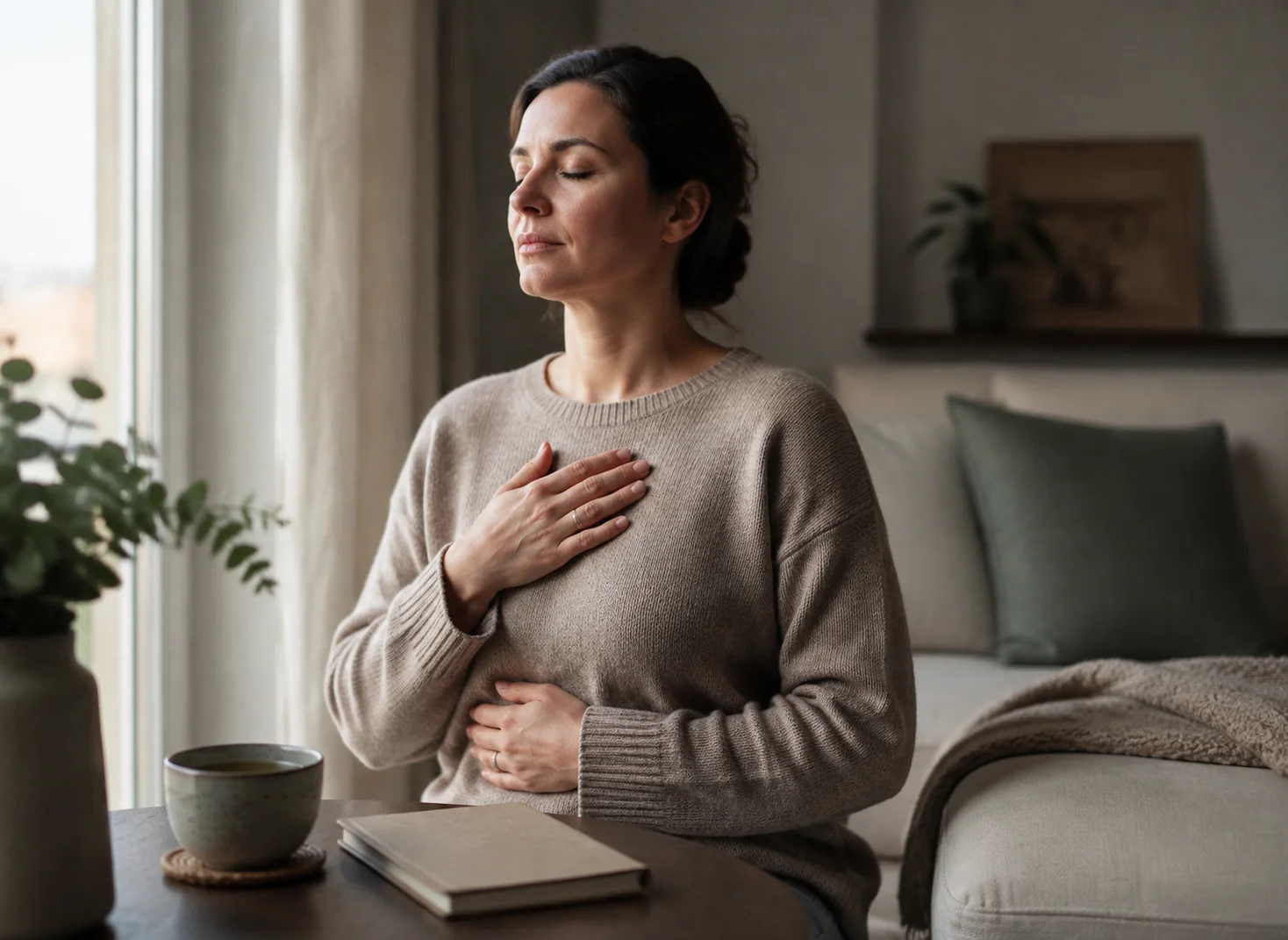
Managing anxiety can begin with simple daily habits that help promote a better balance between body and mind.
Anxiety is a natural response to situations perceived as challenging, uncertain or potentially dangerous.
However, when worry becomes frequent and difficult to control, it can affect sleep, concentration and everyday activities. Learning to recognise the signs is the first step towards managing anxiety more consciously.
Recognising the signs of anxiety
Anxiety can manifest in different ways and affect both mental and physical well-being. Common signs include:
- muscle tension
- rapid or shallow breathing
- increased heart rate
- difficulty concentrating
- irritability
- sleep disturbances
- recurring worries
- a persistent sense of alarm
These signs do not necessarily occur all at once. Paying attention to when they appear and the situations that precede them can help us better understand our reactions.
The importance of daily habits
Anxiety management also depends on maintaining a reasonably regular daily routine. Disorganised schedules, insufficient breaks and excessive demands can increase fatigue and make it harder to recover.
Breaking commitments down into smaller, realistic tasks and establishing clear priorities may help. Alternating periods of concentration with short breaks can also reduce the feeling of being overwhelmed.
There is no need to change everything at once. Small adjustments maintained over time can contribute to a more balanced routine.
Sleep, movement and nutrition
Sleep plays an important role in mental and physical well-being. Worry can make it difficult to fall asleep, while insufficient rest may increase sensitivity to stress.
Going to bed and waking up at similar times, limiting screen use before bedtime and creating a quiet environment may support better-quality sleep.
Movement can also help release accumulated tension. Walking, cycling, swimming or regularly practising gentle physical activity provides valuable time for the body and mind to recover.
It is also useful to monitor caffeine and alcohol consumption. In some people, caffeine can increase restlessness, palpitations and difficulty sleeping, while alcohol is not an appropriate strategy for managing anxious feelings.
Breathing and taking time to pause
During moments of anxiety, breathing often becomes faster. Focusing on slow, regular breathing may help reduce tension and bring attention back to the present moment.
A simple exercise involves gently breathing in through the nose and slowly breathing out, without forcing the breath. This can be practised for a few minutes at a time, preferably on a regular basis.
Reading, listening to music, spending time in nature or talking to someone you trust can also create opportunities for recovery. The aim is not to ignore worries, but to prevent anxiety from occupying every part of the day.
A possible form of support
At certain times, a food supplement may be considered as part of a broader approach to mental well-being.
Supransiol is formulated with Withania somnifera and Lotus corniculatus. It may complement healthy daily habits and contribute to relaxation and balance. Research suggests that certain Withania somnifera preparations may have a role in supporting stress management, although the evidence relating specifically to anxiety remains limited and inconclusive.
A food supplement does not replace a balanced lifestyle or any treatment recommended by a healthcare professional. People who are pregnant or breastfeeding, have a medical condition or take medication should consult a doctor or pharmacist before use.
Conclusion
Managing anxiety requires awareness, gradual changes and consistency.
Looking after sleep, staying physically active, limiting stimulants and taking genuine breaks may contribute to everyday well-being. If anxiety persists or interferes with work, study, relationships or sleep, it is important to speak to a doctor or mental health professional.
Content created with the support of artificial intelligence and reviewed by the editorial team.
Find out more
Articles and insights to help read the signs and navigate different conditions.

Prolonged Stress: How to Recognise It and When to Take Action
Anxiety Management: Daily Habits and Possible Forms of Support